
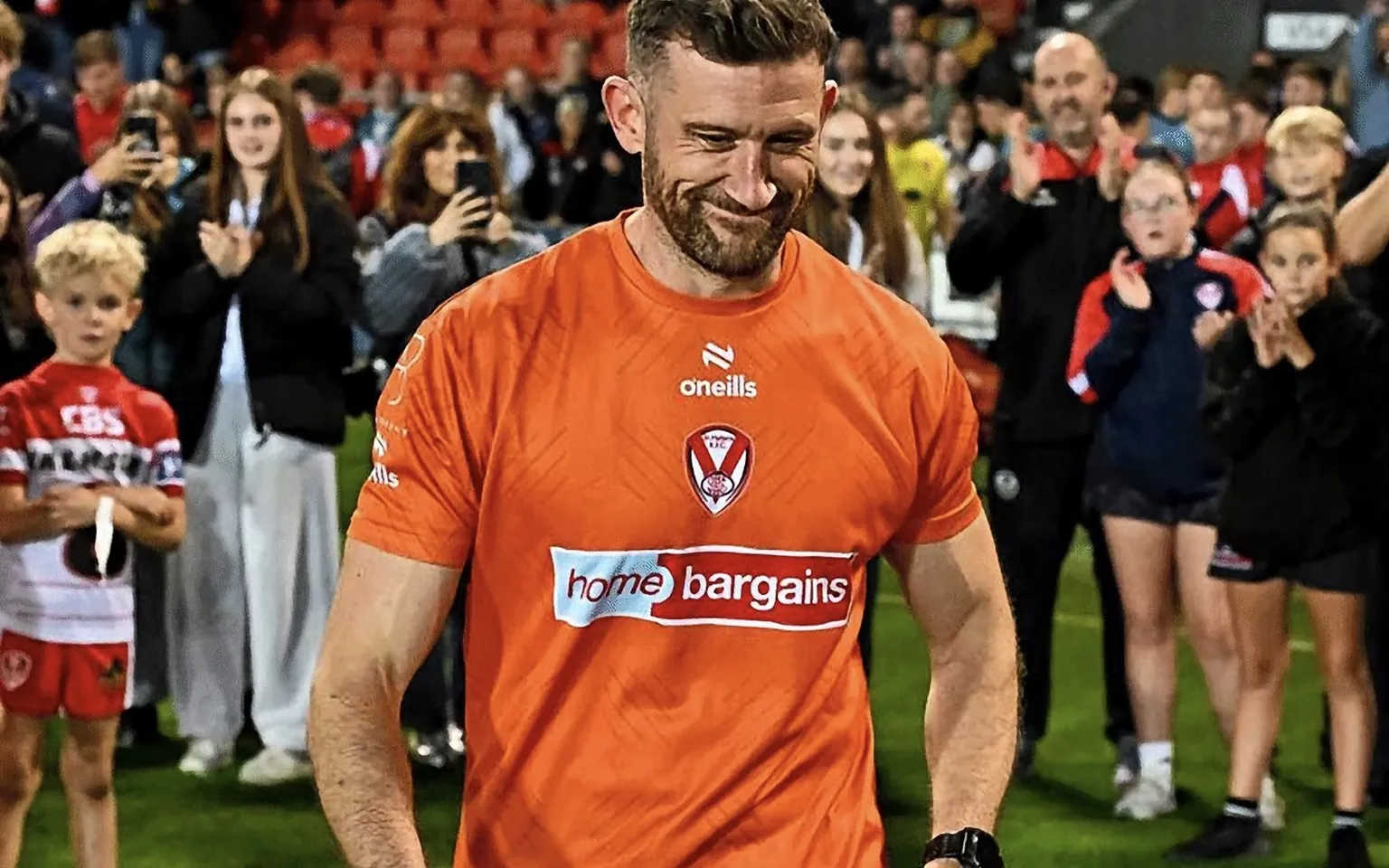
A stadium contains far more careers than the ones visible on the team sheet. The player whose name appears on a shirt is supported by people who plan training, analyse video, manage rehabilitation, coordinate travel, maintain the pitch, interpret contracts, develop community programmes, protect young athletes and keep the business functioning. When the final whistle sounds, many of those people are still at work.
For a teenager who loves sport but is unlikely to compete professionally, this matters. The choice is not between becoming famous and leaving sport behind. There are routes into coaching, sport psychology, physiotherapy, performance analysis, nutrition, officiating, media, operations, community leadership, law and technology. These roles need different skills, qualifications and safeguards. Some require professional licences; others are entered through portfolios, apprenticeships and experience.
The UK National Careers Service's sports careers guidance covers roles far beyond athletes and coaches, from physiotherapy and performance science to broadcasting, engineering, sponsorship and equipment design. The International Olympic Committee's careers pages describe work across project management, communications, finance, event operations and technology. Those are examples of occupational breadth, not a guarantee that a position is currently available.
The first question is not which sport you love
A person can love football without wanting the day-to-day work of being a football scout. Someone who enjoys lifting weights may dislike the administration, safeguarding and communication involved in professional coaching. A fan who follows every international tournament might be more interested in event logistics or sports journalism than in giving technical performance advice.
Start with a problem you like solving. Do you want to help people learn? Understand data? Support recovery? Make participation more accessible? Organise events? Build digital products? Negotiate agreements? The answer can point towards a profession and, more importantly, towards a meaningful experiment you can try.
An exploratory experience should be safe, appropriate and honest about scope. Shadowing an accredited clinician with permission may help a student understand clinical work. Volunteering at a reputable community club can reveal how sessions are planned. Producing a legally sourced performance analysis of a public match can demonstrate an interest in data without pretending to work for a professional team.
Sport psychology: supporting the person and the performance
Sport psychology is not simply giving inspirational speeches. Depending on training, qualifications and jurisdiction, practitioners may work on attention, emotional regulation, team communication, performance routines and the human challenges of selection, injury and retirement. Clinical assessment and treatment of mental health conditions can involve separate protected professional qualifications and legal responsibilities.
An aspiring practitioner should research psychology education, supervised practice, regulated titles and professional registration in the country where they intend to work. A weekend online course is not equivalent to a professional psychology qualification. Ethical competence includes knowing the limits of one's role and respecting confidentiality.
The International Olympic Committee's consensus on athlete mental health makes clear that organisational environments matter alongside individual mental health. Someone entering this profession must be able to work collaboratively with coaches and healthcare professionals without turning every challenge into a motivational slogan.
Physiotherapists, sports physicians and rehabilitation
Sports healthcare can involve physiotherapists, physicians, athletic trainers, nurses and specialised rehabilitation professionals. Their legal scopes vary by country. A physiotherapist commonly assesses and supports movement, function and rehabilitation; a sports physician is a medically trained doctor with relevant specialist expertise. Neither role should be reduced to “fixing a player quickly.”
The National Careers Service profile for physiotherapists outlines recognised education, clinical practice and the variety of employment settings. Work in a professional club is one possible destination, but many practitioners support patients in hospitals, community health services, rehabilitation clinics and private practice.
An ethical practitioner must communicate uncertainty, document care, manage expectations and sometimes challenge a proposed return-to-play date. The most valuable work is not always the most visible. Helping a community athlete regain safe everyday function can matter as much as working beside an international final.
Strength and conditioning and sport science
Strength-and-conditioning professionals plan and supervise physical preparation within their competence. Sports scientists investigate or apply evidence about physiology, training response, load, testing and recovery. The boundaries vary across teams, but both roles demand the ability to make good decisions rather than simply operate expensive equipment.
The National Careers Service performance sports scientist profile discusses university study, testing, research and practical support to coaches and competitors. Professional accreditation can matter, and employers may have specific requirements. Applicants should verify these rather than assume a generic fitness certificate is enough.
Consider the daily work: checking whether a test is valid, discussing findings with a coach, adjusting a programme after injury, identifying what data are missing and reviewing what actually changed. Good practitioners can explain limitations in plain language. A visually beautiful dashboard that leads to a mistaken decision has not served the athlete.
Performance analysis: technology with sporting understanding
A performance analyst can use video, event tagging, statistical modelling and visualisation to help coaches and athletes see patterns. The job may involve filming sessions, collecting consistent definitions, cleaning datasets and translating findings into practical coaching questions. Software skills are useful, but tactical knowledge and communication are essential.
A portfolio can start with a small number of well-explained analyses using lawfully available footage or open event data. An applicant should document the match context, the definition of each metric and the reasons a conclusion might be unreliable. A sample analysis of two matches cannot establish an athlete's permanent quality, character or injury risk.
People entering this field can learn spreadsheets, coding, statistics and data visualisation while attending local matches to understand the game. Increasingly, analysts also need to know data protection, image rights and the dangers of overstating what an algorithm predicts. Being able to say “we don't know yet” is a professional strength.
Coaching, mentoring and talent development
Coaches work with everyone from beginners to experienced competitors. A community coach may spend more time building confidence and participation than planning elite tactics. A high-performance coach may need to coordinate technical staff, selection decisions and extensive competition schedules. Both roles require safeguarding, feedback and the ability to respond appropriately to individual needs.
The National Careers Service sports coach profile outlines typical training and entry pathways in the UK. Requirements differ across countries and federations, especially when working with children. Criminal-record screening, safeguarding education and sport-specific certifications may be required; enthusiasm is not a substitute.
An experienced former athlete may bring valuable insight, but elite playing success does not automatically mean coaching competence. Equally, a thoughtful coach need not have competed at the highest level. Training design, teaching, patience and trust are skills in their own right.
Sports nutrition and dietetics
Food and hydration affect training, health and recovery, but nutrition work must respect professional boundaries. Dietitians are regulated healthcare professionals in many jurisdictions, while the title “nutritionist” and legal scope vary widely. Someone with a social media account and a personal meal routine should not be assumed to have authority to manage clinical conditions.
A career may involve studying nutrition science, gaining supervised experience, learning to interpret research and supporting athletes in realistic environments. The best plan is not necessarily the most complicated. A sports nutrition professional may need to consider travel, budget, culture, food access, medical concerns and the athlete's relationship with eating.
The IOC Relative Energy Deficiency in Sport consensus (2023) highlights how inadequate energy availability can have consequences for health and performance. Professionals working in this area need to avoid fear-based weight messaging and ensure medical referral when appropriate. Performance and wellbeing cannot be responsibly separated.
Scouts, agents and recruitment staff
Talent identification and player representation are distinct areas. Scouts may analyse athletes relative to club needs, competition standards and longer-term development. Agents advise or represent clients under applicable professional and legal rules. Recruitment administration may involve documentation, communication, contracts and compliance.
FIFA's football agents education resources describe the importance of legitimate agent credentials and informed engagement. A person aspiring to work in recruitment must learn ethics, safeguarding, applicable regulations and how to recognise conflicts of interest.
The strongest applicant is not necessarily the one with the most contacts on social media. The ability to document observations, distinguish potential from temporary physical advantage and explain uncertainty can make recruitment work more credible. Young athletes should never be treated as commodities whose value is determined by a single performance.
Sport law, administration and finance
Clubs and federations need legal support for contracts, governance, employment, safeguarding, intellectual property and disputes. They also need accountants, administrators, grant specialists, facilities managers and commercial teams. The sport context adds specialised regulations, but the underlying professions still require recognised training and competence.
A lawyer interested in sport generally begins with the relevant legal education and jurisdictional professional requirements. An accountant should pursue recognised accounting qualifications. A future event manager may study operations, safety, budgeting or logistics and gain supervised experience with local sporting organisations.
These jobs can provide stable, meaningful work even when the employee never appears in a television broadcast. They can also improve a club's ethical standards and financial resilience. Sport is not only a spectacle; it is a network of organisations that must meet obligations to workers, participants and communities.
Journalism, creative work and sports media
Sports content needs reporters, editors, photographers, producers, designers and audio professionals. The best work is built on accuracy, appropriate permissions and genuine understanding of events. Creating a dramatic headline from an unverified rumour may produce a temporary click but weaken trust.
A young journalist can practise writing original match reports with named sources, dates and transparent corrections. A photographer can build a portfolio while respecting venue permissions and image rights. A designer can explain how their work helps a club communicate with fans without pretending to own photographs sourced from the internet.
Professional portfolios should highlight responsible process and concrete contribution, not merely polished images. Media roles are competitive, and entry routes vary. The aim is to demonstrate transferable skill and reliability rather than assume that enthusiasm for sport guarantees employment.
Community sport, inclusion and safeguarding
Some of sport's most important work takes place away from professional stadiums. Community development staff organise affordable activities, support participation, coordinate volunteers and remove barriers for people excluded by cost or inaccessible facilities. Safeguarding specialists and trained programme leaders help protect participants.
The value of these roles is not measured only by medals. A well-run local project may keep teenagers active, connect families and create opportunities for people who have been overlooked elsewhere. Still, positive intentions alone are insufficient. Programmes need responsible governance, accessible procedures, privacy protections and methods for evaluating their actual impact.
A practical entry route might involve volunteering under supervision, studying community development or sport management and learning the requirements of local associations. People should seek institutions willing to explain responsibilities and provide training rather than organisations asking volunteers to take on unsupported clinical or safeguarding roles.
How to choose a pathway without wasting years or money
Start by choosing two or three roles that genuinely interest you. For each, research the official qualification route and local labour market. Identify which activities are legally protected, which skills can be demonstrated through a portfolio and which organisations offer legitimate placements or supervised experience.
Then perform a small, realistic test. Interview a professional about an ordinary working day. Analyse a public match using transparent methods. Help a community club organise a youth event. Shadow a qualified practitioner only where permission and confidentiality make it appropriate. The objective is to learn whether the work itself appeals to you, not just whether the title sounds impressive.
Avoid costly training products that promise immediate access to elite clubs or claim professional recognition without naming the accrediting body. Compare qualifications against official registries and employer requirements. Spending money should follow evidence about the pathway, not substitute for it.
Questions about building a career in sport
Can I work in professional sport if I was never an elite athlete? Yes. Many roles rely on formal study, technical skills, supervised experience and professional judgement rather than an elite playing record. Specific employers may have competitive entry requirements.
What should I study for a sports career? It depends on the role. Physiotherapy, medicine, psychology, law and dietetics have distinct professional education requirements. Coaching, analysis, media and operations offer varied pathways that should be verified locally.
Are sports jobs only available at major clubs? No. Community organisations, educational institutions, public services, rehabilitation clinics, software providers and event companies also employ people with sport-related skills.
How do I find legitimate opportunities? Use official organisational careers pages, recognised professional bodies and verified employers. Confirm role requirements and do not pay intermediaries who promise guaranteed recruitment.
A seven-day experiment to discover which sporting profession fits
People often choose a career based on what the job looks like from the stands rather than what the practitioner does on a normal Tuesday. A sports analyst is not watching thrilling highlights all day. A physiotherapist spends considerable time documenting care and discussing limitations. A coach may work early mornings, evenings and weekends. The first sensible step is to compare the reality of the role with personal strengths and circumstances.
Over one week, select two occupations and read official qualification requirements, professional association guidance and several real job descriptions. Write down the difference between mandatory legal requirements, employer preferences and skills which can be developed through a portfolio. Different countries may regulate the same title very differently; a qualification recognised in one jurisdiction does not necessarily confer professional rights in another.
Next, identify a practical observation opportunity. This might be attending an open club training session, volunteering through an established organisation, analysing a publicly available match or interviewing a practitioner about their daily work. Ensure that confidentiality and safeguarding rules are respected. Students should not attempt unsupervised clinical assessments, copy patient records or imply an official relationship with a team.
At the end of the week, describe what you enjoyed, what surprised you and what you would like to learn next. You may discover that you prefer the data work to the match atmosphere, or the teaching to the administration. That information can save substantial time and tuition costs. Changing a career preference after a realistic experiment is progress, not failure.
The portfolio that tells employers something useful
A portfolio is most valuable when it shows a problem, a method, a result and the limitations of the work. An aspiring performance analyst could explain how match events were defined, the source of footage, the small sample size and what a coach might reasonably do with the observations. A potential sports journalist might show a carefully sourced match report and describe how quotes and photograph permissions were handled.
The portfolio should not contain confidential athlete information, copyrighted media copied without permission or exaggerated claims of working with a club. If an assignment was educational or voluntary, say so. An honest description of a modest contribution is more valuable than a fabricated professional credential.
Many roles require collaborative evidence. A coach could document a session plan and explain changes made after feedback. A community organiser could describe barriers to participation and the safeguards used at an event. A designer could show how accessibility considerations shaped a mobile interface. Each example demonstrates reasoning rather than merely listing software tools.
The key question is what a reader can verify. Can they understand your actual contribution? Can they distinguish a hypothetical exercise from work delivered to a real client? Do you acknowledge what you could not measure? Professional credibility begins before the first paid contract.
The economic reality of getting started
Sport attracts people who are passionate enough to tolerate poor conditions. That passion should not be exploited. Unpaid trials, travel expenses, short-term contracts and irregular hours can create barriers to entry. Before accepting an opportunity, consider whether it offers genuine learning, appropriate supervision, legal working arrangements and a realistic route towards earning a living.
Some individuals can afford long unpaid placements; others cannot. A career guide that ignores those differences reproduces inequality while pretending to celebrate opportunity. Employers and sporting organisations should consider transparent compensation, access to remote tasks, mentorship and clear job descriptions as ways to widen the talent pool.
A candidate can prepare by identifying transferable skills and adjacent employers. Sport science knowledge may be relevant to wellness research or health technology. Data analysis can be used in many industries. Communication and event management exist across education, government and entertainment. A career which starts outside a professional club may later provide exactly the experience an organisation needs.
Do not take out expensive loans for vague access promises. Compare tuition and certification fees against recognised qualification requirements, credible earnings information and the actual availability of suitable jobs. Paying a private training company does not establish that a professional league will hire you.
Relationships that develop careers without pretending to be connections
Networking is sometimes presented as collecting influential names. Useful professional relationships are more reciprocal. A student can ask for advice about education, share thoughtful work, volunteer responsibly and stay in touch without demanding a personal favour. Reliability over time often matters more than a single impressive introduction.
A mentor should not promise employment in return for fees or require an applicant to cross ethical boundaries. If a person claims to represent a club or federation, verify their role through official channels. In clinical and child-facing professions, follow safeguarding and confidentiality rules throughout any observation or placement.
Ultimately the strongest question may be: what is the smallest honest contribution you can make now? A local community club, school programme or amateur competition may offer opportunities to learn that a glamorous professional environment cannot. Sport is a broad economy, and many routes allow people to serve it without ever wearing a professional playing shirt.
Evidence context and limits
Career pathways, regulated titles, compensation and employment conditions differ between countries and can change over time. Official career profiles offer descriptive guidance rather than guarantees of work. This article does not claim a specific vacancy exists or imply that an athlete, club or professional endorses Sportive Minds. Readers must verify current qualification, safeguarding and employment law requirements with local authoritative bodies before making financial commitments.
Research and further reading
- United Kingdom National Careers Service (n.d.), Discover Careers in Sport; government careers guidance describing diverse occupations and work settings beyond professional playing. Original source
- United Kingdom National Careers Service (n.d.), Physiotherapist Job Profile; clinical education, regulated practice and NHS or community career pathways. Original source
- United Kingdom National Careers Service (n.d.), Performance Sports Scientist Job Profile; routes into research, athlete testing and coaching support. Original source
- United Kingdom National Careers Service (n.d.), Sports Coach Job Profile; practical responsibilities, training routes and work conditions for the coaching profession. Original source
- Fédération Internationale de Football Association (2026), Parent Education on Football Agents; official principles on representation and the verification of credentials. Original source
- International Olympic Committee (n.d.), IOC Careers; institutional examples of operations, administration, communications and organisational employment roles. Original source
Illustrative historical sports photograph, not an event or athlete endorsement of Sportive Minds. Source: original Commons file; photographed 2026-09-14; credit HOUSAgency; licence CC0 1.0.