
A runner reaches the last kilometre of an afternoon session carrying an almost empty bottle. In the next lane, another athlete is drinking continuously from a large container, convinced that more water must always mean better performance. Neither person's behaviour tells us enough to decide whether their hydration is appropriate. Duration, weather, intensity, individual sweating, what was consumed before training and opportunities to drink all matter. Good sports nutrition begins with that context rather than a magic number printed on a product label.
Hydration advice attracts dramatic claims because water is essential, sweat is visible and competitors want a simple answer. Yet two genuine hazards sit at opposite ends of the same problem. Inadequate fluid replacement can compromise heat regulation and performance. Excessive fluid intake, especially during prolonged exercise, can contribute to exercise-associated hyponatraemia, a potentially dangerous reduction in blood sodium concentration. The 2017 National Athletic Trainers' Association position statement explicitly discusses both. Its central recommendation is individualisation: maintain adequate hydration without gaining fluid weight through overdrinking.
The goal of this guide is not to prescribe a personal drinking schedule. It is to help athletes, coaches and families understand what changes fluid needs, when a sports drink may be useful and how to ask better questions before spending money on supplements.
Why the same bottle cannot work for every athlete
Two people can complete the same one-hour training session and lose very different amounts of sweat. Clothing, body size, environmental heat, humidity, exercise intensity, acclimatisation and individual physiology all influence fluid loss. Sport matters as well. A basketball player has frequent stoppages, a distance runner may have limited access to drinks, and a rower cannot simply stop mid-race to find a tap. A coach cannot responsibly copy one elite athlete's intake and impose it on an entire youth squad.
The American College of Sports Medicine's exercise and fluid replacement position stand describes the role of hydration in supporting physiological function and highlights the need to avoid excessive dehydration. It is a useful foundation, but individual training circumstances and more recent guidance also matter. In 2017, NATA further emphasised that drinking strategies should prevent both hypohydration and overhydration. Neither organisation claims that everybody must consume precisely the same volume every hour.
Sweat is primarily a cooling mechanism, not a simple measure of fitness. The amount of sodium in sweat also varies. A shirt showing salt marks may signal noticeable salt residue, but it is not a validated laboratory assessment of an athlete's sodium requirement. Temperature and humidity can make two identical sessions physiologically different, even before considering the individual.
What dehydration can change in a performance
As body water is lost, the circulatory and temperature-regulating systems face greater demands. During strenuous activity in the heat, insufficient replacement may raise perceived effort and make sustained performance harder. Concentration, pacing and decision-making can also suffer when physical strain is high, though the size of any effect depends on the sport and conditions. There is no evidence-based reason to claim that a specific minor percentage of weight loss will ruin every athlete's performance.
The 2017 NATA statement advises limiting fluid-related body-mass loss during activity, often using two per cent as a broad reference point for performance planning. That figure is not a medical diagnostic threshold, nor a universal rule for every person and every session. Some athletes perform adequately with smaller or larger short-term changes, and body mass itself is an imperfect proxy because respiration, fuel metabolism and other factors contribute to scale changes.
Warning signs such as dizziness, confusion, collapse, severe weakness or altered consciousness require prompt attention and potentially urgent medical assessment. They must not be casually attributed to dehydration, because heat illness, low blood sodium, cardiovascular problems and other conditions can present with overlapping symptoms. A bottle of water is not a substitute for assessment when someone appears seriously unwell.
Can athletes drink too much water?
Yes. The common belief that every sign of fatigue should be answered with more water can be unsafe. During prolonged activity, consuming more fluid than the body loses may dilute blood sodium. This is one pathway to exercise-associated hyponatraemia. It is not the same as simply having a low-salt meal, and an electrolyte product does not automatically make unlimited drinking safe.
NATA's updated fluid replacement guidance cautions against fluid-related weight gain during exercise. For ordinary recreational exercise, paying attention to thirst and not forcing large unnecessary volumes is often sensible. In longer events, an athlete may need a more considered plan matched to observed fluid losses and access opportunities. The useful distinction is between preparing for likely needs and compulsively drinking to satisfy a supposedly ideal number.
Headache, nausea, vomiting or confusion after prolonged exertion can have many causes. If hyponatraemia is possible, blindly pushing additional plain water may worsen the situation. Event medical teams should use established assessment protocols; spectators and coaches should summon appropriate help rather than trying to diagnose an electrolyte disorder from appearance alone.
What to drink before training
A practical starting point is to arrive normally hydrated rather than attempt a last-minute correction. Regular access to water, meals and reasonable drinking opportunities during the day does more than a ceremonial litre swallowed just before the warm-up. Heavy last-minute drinking can cause discomfort, repeated bathroom trips and a false sense of preparation.
Context matters. An athlete exercising in cool weather for a short session does not necessarily need an elaborate beverage strategy. Someone entering a hot, long competition after travel may need to discuss a more structured approach with qualified support staff. Children depend on adults to provide water access and reasonable breaks; they should not be required to ignore thirst or endure unsafe heat because a training schedule is fixed.
Look at the entire day. Sleep, recent illness, alcohol use in adults, heavy sweating at work, diarrhoea and inadequate access to drinks may change what an athlete brings into a session. The answer is not to make everyone track every mouthful forever. It is to notice when the usual routine is no longer suited to the conditions.
Water versus sports drinks: what is actually different?
Water supplies fluid without carbohydrate or significant electrolytes. Many sports drinks combine fluid with carbohydrate and some sodium. That can be useful during prolonged or demanding exercise, particularly where carbohydrate availability and fluid intake are both relevant. It does not mean that every gym workout demands a brightly coloured bottle.
During shorter moderate sessions, ordinary water and normal meals often meet practical needs. During endurance events, multi-match tournament days or heavy training in the heat, carbohydrate-electrolyte beverages may have a clearer role. The right question is not which product is most fashionable. It is what problem the drink is intended to solve: thirst, energy, sodium replacement, convenience or recovery between sessions.
A sugary drink can supply energy, which may be appropriate during sustained physical work and unnecessary at other times. A zero-sugar electrolyte drink supplies no meaningful exercise carbohydrate. A high-sodium product is not automatically superior, especially where dietary sodium intake is already sufficient. Labels vary widely; there is no universally correct drink for all sports.
When do electrolytes and sodium matter?
Sodium helps regulate fluid distribution and is lost in sweat. For many everyday training sessions, food consumed across the day provides adequate dietary sodium. For prolonged events, very heavy sweating or repeated sessions where ordinary meals are difficult to access, more specific fluid and sodium planning may be appropriate.
The NATA statement discusses athletes who exercise for extended periods and the potential value of carbohydrate-electrolyte beverages. But sodium requirements depend on individual losses, health conditions and the full diet. People with hypertension, kidney conditions or other medical concerns should not interpret an article as permission to increase sodium indiscriminately.
Electrolyte marketing often blurs the difference between a physiological necessity and a commercial upgrade. Salt replacement is relevant under some conditions; paying extra for a fashionable electrolyte sachet is not always the best way to meet it. A qualified sports dietitian can help athletes with complex training or competition needs interpret actual evidence.
A sensible way to learn about your own sweat losses
In a controlled training context, changes in body mass before and after exercise can offer a rough estimate of sweat losses when fluid consumed and urine output are accounted for. The 2017 NATA statement explains this approach and its limitations. Such measurements are most useful when conditions resemble the event for which the plan is being made, and when a qualified practitioner helps interpret them.
An athlete's sweat rate in a mild indoor session may be a poor guide to a summer competition. Even the same training route can feel different after acclimatisation. The number can inform preparation but should not become an obsessive target. More measurement is not inherently better if it leads to anxiety, rigid behaviour or repeated unnecessary weighing.
For young athletes, the priority is safe access to drinking, adequate breaks and supportive coaching, not detailed body-weight surveillance. For anyone with a history of eating disorders or distress about weight, routine weighing can be harmful. Alternative approaches should be discussed with an appropriate health professional.
Hydration after exercise and between matches
Recovery involves more than replacing liquid. Athletes need enough energy and protein across the day, opportunities to rest and food they can realistically obtain. If another session is imminent, both fluid and carbohydrate replacement may deserve attention. If the athlete has the rest of the day to recover, ordinary meals and sensible drinking can be enough.
Notice the practical obstacles. A junior squad may finish late with no water available until a long bus ride. A tournament venue may have an impressive sponsor display but inadequate taps. A coach may have carefully planned training intensity while leaving recovery entirely to parents who have very different budgets and travel commitments. These are organisational questions, not personal failures.
Design the environment accordingly. Provide drinking stations, allow athletes to refill bottles, give accurate information about venue facilities and schedule realistic breaks. A sports club with affordable access to water may do more for athlete care than one which recommends an expensive supplement to every family.
Heat, humidity and the role of coaches
Hot weather changes the problem because evaporation, not just fluid availability, determines cooling. High humidity can limit evaporative cooling even when an athlete is sweating. Appropriate shade, reduced intensity, altered scheduling, heat-acclimatisation plans and a clear emergency procedure can be as important as beverage choice.
The NATA exertional heat illness guidance is a reminder that preventing and responding to heat illness requires more than recommending extra water. Coaches should understand local rules, environmental monitoring, emergency access and the signs of serious illness. Heatstroke is a medical emergency; effective cooling and urgent care matter.
A responsible team does not reward athletes for hiding symptoms. Asking for a pause should not be treated as a moral weakness. Nor should someone be forced to drink to an inflexible schedule without consideration of individual tolerance. Good organisation gives athletes both access and permission to communicate changing needs.
What athletes can actually do tomorrow
Start with the questions you can answer: How long will the activity last? How hard will it be? How hot and humid is the setting? Are drinks accessible? Will there be another session soon? What foods and beverages are already available? Those questions are more useful than choosing a product first and inventing a problem for it to solve.
For a short session in comfortable conditions, bring water and pay attention to normal thirst. For longer, hotter or repeated sessions, plan ahead and seek individualised professional guidance if the demands are substantial. Never assume a particular coloured urine sample, body-weight reading or sports-drink label can independently prove readiness to compete. These are at best pieces of context.
Athletes deserve clear practical support without the implication that they must continuously purchase new products to be serious. The same philosophy should guide nutrition advice more broadly: explain the mechanism, understand the person, recognise uncertainty and make the safest useful behaviour easier.
Common questions about athlete hydration
How much water should I drink before a match? There is no single amount that fits all ages, sports and conditions. Arrive normally hydrated, consider session length and environmental heat, and avoid a large forced last-minute intake. A sports dietitian or sports medicine professional can help with demanding individual plans.
Is water enough for a one-hour workout? For many moderate workouts in comfortable conditions, water and ordinary meals are adequate. Prolonged or very intense sessions, heavy sweat losses, unusual heat or multiple events can change the calculation.
Are electrolyte drinks better than plain water? They can serve a useful purpose when sodium and fluid losses or competition demands warrant them. They are not inherently superior for every activity, and they cannot make excessive fluid consumption safe.
Can drinking too much water be dangerous? Yes. Overdrinking during prolonged exertion can contribute to exercise-associated hyponatraemia. Severe symptoms after exercise require medical evaluation rather than an automatic instruction to drink more.
How to make hydration planning realistic for a full sporting week
The most useful plan is a plan someone can actually follow. A runner may train before school, travel on a crowded train and finish the afternoon with strength work. A swimming squad may move from a warm pool enclosure into a long bus journey. A coach who advises every member to drink the same expensive product ignores these important differences. Access to ordinary water and enough time to drink it is a starting point; the amount and type of additional fluid should reflect the individual and event.
Clubs can begin with a simple accessibility audit. Are working taps available? Are bottles permitted in the playing area when sport rules allow them? Are break times reasonable in hot conditions? Do athletes with disabilities or different mobility needs have the same access? Is drinking water free to families who cannot purchase branded beverages? These are practical health and inclusion questions which should be addressed before adding further products to a sponsorship package.
It is useful to describe a real training day rather than invent a model athlete. Note the starting conditions, session length, weather, access opportunities and whether another event follows. That context can be discussed with a coach and, when the demands justify it, a qualified sports dietitian. Do not turn this into rigid self-surveillance. For children and people with eating-related concerns, repeated weighing or strict monitoring can be counterproductive and should not become a default requirement.
Why the marketing promise and the evidence can diverge
A label may advertise “optimal hydration,” “maximum performance” or “rapid recovery” without explaining the circumstances in which the claim was evaluated. Products containing carbohydrate, sodium and other ingredients are not identical. Their usefulness depends on training demands, total dietary intake and the athlete's personal health circumstances. An attractive product photograph is not evidence of a performance benefit.
The distinction between effectiveness and necessity matters. A sports drink may be convenient in a long endurance event where eating solid food is difficult. It may be unnecessary during a brief walk or moderate gym session when normal food and water are available. Similarly, the fact that an electrolyte is physiologically important does not prove that a supplemental serving is required in every circumstance. Context determines whether supplementation offers meaningful value.
Athletes and families can read the nutrition information rather than the promotional headline. Ask what the drink provides per serving, what role it is intended to play and whether cheaper options solve the same problem. For demanding competitions, professional individualisation is a better investment than purchasing several products because online influencers promise an advantage. This is not an argument against commercial sports nutrition; it is a request for clear claims and accountable advice.
A club protocol that respects both competition and care
At the start of a season, a club can assign responsibility for water provision, heat-safety decisions and emergency response. Staff should know where drinks can be obtained during a match, how weather affects scheduling, and when symptoms require medical review rather than a routine training adjustment. A training session can be demanding and still permit appropriate rest and communication.
After a competition, coaches should resist making hydration a moral test. One athlete may sweat heavily; another may barely appear damp. Neither observation alone establishes that one person has worked harder. Simple language such as “Tell us if you feel unwell” helps people disclose symptoms earlier. No one should be shamed for needing a safe pause or for following an individual medical recommendation.
For a family, the best starting questions are practical: can the child reach water, do they have enough time for meals, are facilities accessible, and are adults listening? For an elite programme, measurement may add value when conducted by competent staff with a defined purpose. Both settings benefit from the same principle: the system should make evidence-informed care possible without turning an athlete's body into an endless purchasing opportunity.
Questions to bring to a qualified sports dietitian
A consultation is more productive when the athlete can explain what event they are preparing for, where training takes place, what the schedule looks like and which parts of their current routine are difficult to maintain. Mention relevant health concerns, medications and previous episodes of illness rather than assuming a standard plan applies. The professional can then decide whether more detailed assessment is warranted.
Ask what evidence supports the recommendation and how success will be evaluated. If a product is suggested, understand its purpose and whether the same need can be met with accessible food or beverages. Ask how the plan should change in different weather, while travelling or if the training load decreases. Finally, clarify the symptoms that should prompt medical care. A competent practitioner should be comfortable discussing uncertainties and cost.
Evidence context and limits
Exercise hydration guidance comes from clinical statements, physiological research and field observations with variable populations, sports and environments. An expert position statement is a synthesis of evidence, not a diagnosis for a particular reader. Neither one sweat-rate observation nor a universal fluid-volume formula can predict every outcome. This article distinguishes normal practical care from potential medical emergencies and does not recommend self-treating suspected hyponatraemia or heatstroke. The strength of any recommendation depends on its context, and individual assessments should take precedence where health risks exist.
Research and further reading
- National Athletic Trainers' Association (2017), Fluid Replacement for the Physically Active: Position Statement, Journal of Athletic Training; clinical and sports practice consensus; DOI: [10.4085/1062-6050-52.9.02]. Original source
- American College of Sports Medicine (2007), Exercise and Fluid Replacement: Position Stand, Medicine and Science in Sports and Exercise; historical foundation with context-specific limitations; DOI: [10.1249/mss.0b013e31802ca597]. Original source
- National Athletic Trainers' Association (2015), Exertional Heat Illnesses: Position Statement, Journal of Athletic Training; prevention, emergency assessment and cooling practice guidance; DOI: [10.4085/1062-6050-50.9.07]. Original source
- National Athletic Trainers' Association (2000), Fluid Replacement for Athletes: Position Statement; retained for historical context and not a substitute for the 2017 update. Original source
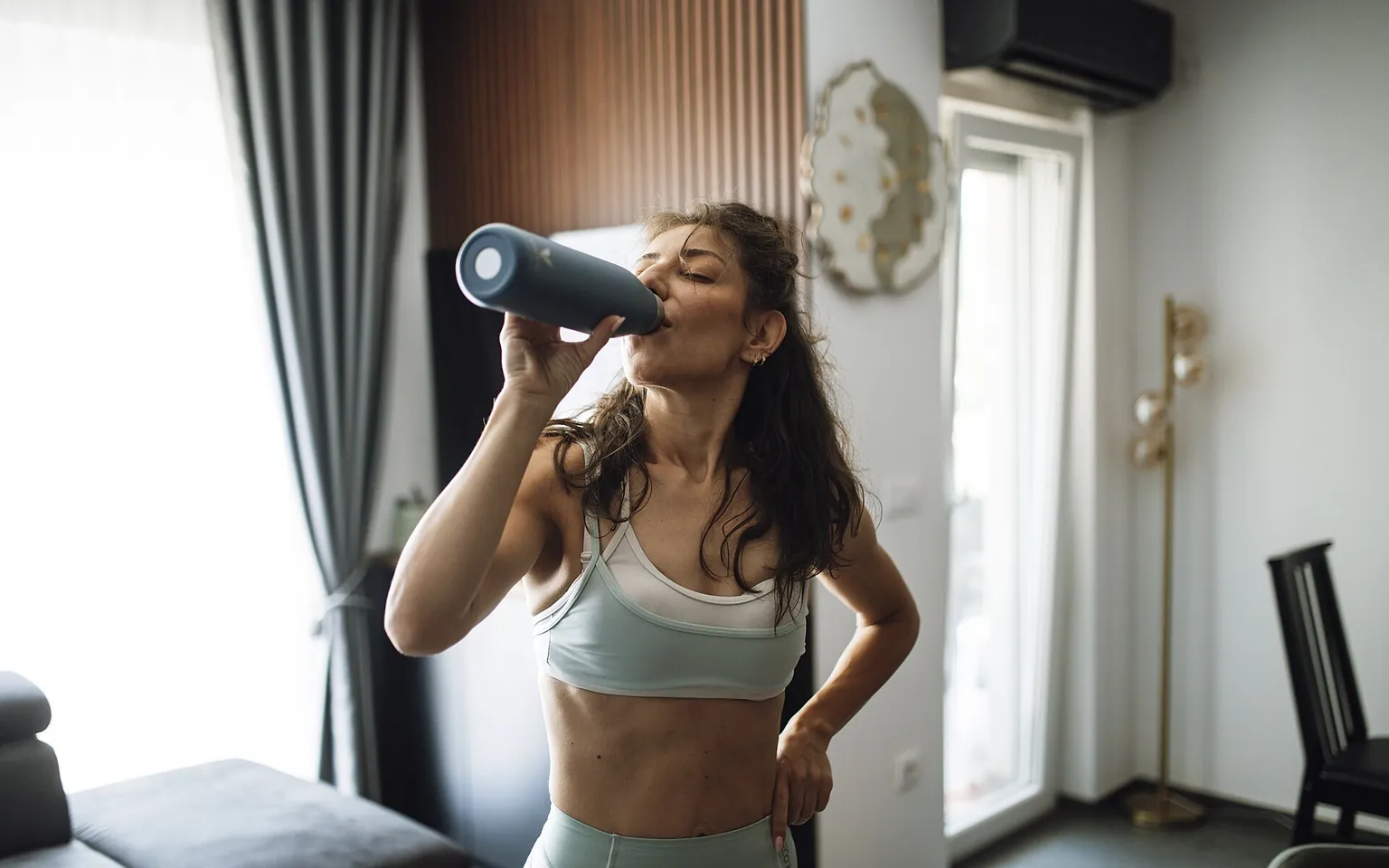
Illustrative historical sports photograph, not an event or athlete endorsement of Sportive Minds. Source: original Commons file; photographed 2026-07-04; credit Shixart1985 / Nenad Stojković; licence CC BY 2.0.